Plastic pollution is one of the most pressing environmental challenges of our time, with low-density polyethylene (LDPE) being a significant contributor. LDPE, commonly found in plastic bags, packaging materials, and agricultural films, poses a formidable recycling challenge due to its lightweight and flexible nature. However, with the advent of advanced technology, the ldpe washing line has emerged as a game-changer in the recycling industry, offering a promising solution to address this critical issue.
The LDPE Recycling Challenge
LDPE, a type of plastic known for its versatility and durability, has become ubiquitous in modern life. While LDPE offers numerous benefits in terms of convenience and functionality, its widespread use has led to a staggering accumulation of plastic waste. Unlike some other plastics, LDPE presents unique challenges in the recycling process. Its thin, flexible structure makes it prone to contamination and degradation, rendering traditional recycling methods ineffective.
Introducing the LDPE Washing Line
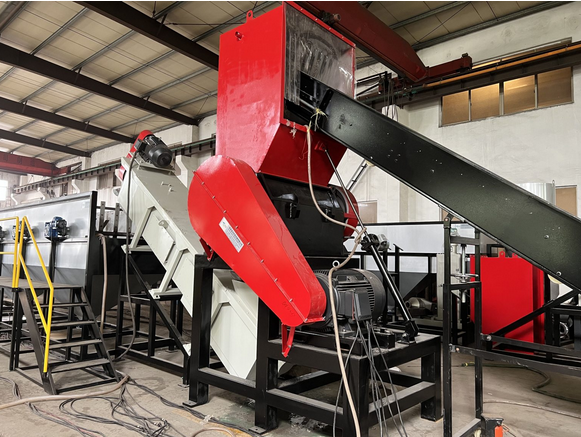
The LDPE washing line represents a revolutionary advancement in recycling technology specifically tailored to address the challenges of processing LDPE materials. This sophisticated system utilizes a combination of mechanical and chemical processes to clean, decontaminate, and transform used LDPE into high-quality recycled material. At its core, the LDPE washing line is a comprehensive solution designed to maximize the recovery of valuable LDPE resources while minimizing environmental impact.
Key Components and Processes:
- Sorting and Shredding: The recycling process begins with the sorting of incoming LDPE materials to remove contaminants and non-LDPE plastics. The sorted LDPE is then shredded into smaller pieces, increasing surface area and facilitating subsequent processing.
- Washing and Decontamination: The shredded LDPE undergoes intensive washing in multiple stages. Water, detergents, and mechanical agitation work together to remove contaminants and impurities from the surface of the material. This thorough cleaning process is essential to ensure the quality and purity of the recycled LDPE.
- Separation and Drying: Cleaned LDPE flakes are separated from water and residual impurities using various separation techniques, such as centrifugal force or air classification. The separated LDPE flakes are then dried to remove moisture, preparing them for further processing.
- Pelletization: The dried LDPE flakes are extruded and pelletized into uniform pellets. These recycled LDPE pellets can be used as raw material in the manufacturing of a wide range of products, including plastic bags, packaging materials, and construction products.
Environmental and Economic Benefits
The LDPE washing line offers a host of environmental and economic benefits, making it an attractive solution for both recycling facilities and industries reliant on plastic materials:
- Waste Reduction: By enabling the efficient recycling of LDPE, the washing line helps divert significant quantities of plastic waste from landfills and oceans, reducing environmental pollution and its adverse effects on ecosystems.
- Resource Conservation: Recycling LDPE conserves valuable resources by minimizing the need for virgin plastic production. This helps reduce energy consumption, greenhouse gas emissions, and reliance on finite fossil fuel resources.
- Economic Opportunities: The establishment of LDPE washing lines creates jobs in the recycling industry and stimulates demand for recycled materials. Companies utilizing recycled LDPE benefit from cost savings, improved sustainability credentials, and access to a reliable supply of raw material.
Conclusion: A Sustainable Future
In conclusion, the LDPE washing line represents a significant step forward in the journey towards a circular economy and sustainable waste management practices. By harnessing advanced technology and innovative processes, this recycling system offers a viable solution to the challenges posed by LDPE plastic waste. As awareness of environmental issues continues to grow, investment in LDPE washing lines holds immense promise for creating a cleaner, greener future where plastic waste is viewed not as a problem but as a valuable resource to be recovered and reused.